
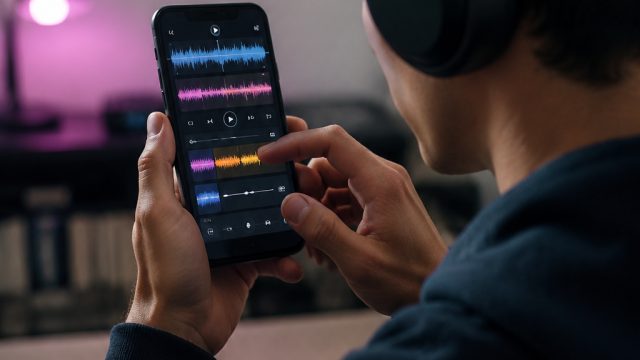
In a bold move that challenges current trends in the music industry, Deezer has introduced a groundbreaking feature allowing fans to create remixes of their favorite songs, but with a significant twist: the consent of the original artists is required. This initiative, announced recently, positions Deezer at the forefront of a conversation about creativity, technology, and artist rights, blending fan engagement with ethical considerations in music production.
The Rise of User-Generated Content in Music
The music industry is experiencing a shift towards user-generated content, where fans are no longer passive listeners but active participants in the creative process. Platforms like TikTok and SoundCloud have already paved the way for this transformation by enabling users to share and remix their favorite tracks. With Deezer's new feature, fans can now take this concept a step further, allowing them to craft their interpretations of existing songs while respecting the artists' rights.
Why This Matters Now
In an age where artificial intelligence is increasingly being integrated into music production, Deezer's approach is significant. Many artists and industry professionals have voiced concerns over AI's potential to undermine creativity and authenticity. By mandating artist consent for remixes, Deezer is sending a clear message that while technology can enhance music consumption, it should not come at the expense of the artists' creative integrity.
How the Remix Feature Works
The new feature is designed to be user-friendly, allowing fans to access a selection of tracks eligible for remixing. Here’s how it works:
- Track Selection: Users can browse through a curated list of songs available for remixes.
- Artist Consent: Fans must obtain permission from the original artists, which can be facilitated through the platform.
- Creation Tools: Deezer provides tools for users to create and edit their remixes easily.
- Sharing and Feedback: Once a remix is created, users can share it within the Deezer community and receive feedback from other fans.
This structured approach not only empowers fans to express their creativity but also fosters a deeper connection between artists and their audience, creating a collaborative environment where music can thrive.
Implications for the Music Industry
The introduction of this feature could have far-reaching implications for the music industry. First, it encourages a paradigm shift where artists and fans collaborate rather than compete for attention. This could lead to new revenue streams for artists, as remixes could potentially become popular enough to warrant additional earnings. Furthermore, as remix culture becomes more mainstream, other streaming services might need to adapt to remain competitive, possibly adopting similar models that prioritize artist consent.
Challenges Ahead
Despite the positive outlook, Deezer will need to navigate several challenges as it rolls out this feature:
- Legal Concerns: Ensuring that all remixes comply with copyright laws could prove complex.
- Quality Control: Maintaining a standard of quality for remixes might be difficult, especially given the varying levels of fan expertise.
- Artist Participation: Encouraging artists to engage with this new model, rather than seeing it as a potential threat, will be crucial.
However, if Deezer can effectively address these concerns, it could set a precedent for how music streaming platforms engage with user-generated content.
The Future of Music Interaction
As music becomes increasingly digital, the relationship between fans and artists is evolving. Deezer's remix feature is not merely a tool for creativity but a significant step towards a new era of music interaction. By prioritizing artist consent and fostering collaboration, Deezer positions itself as a leader in the music streaming space, where fan creativity is not only welcomed but embraced.
Join the Conversation
As this feature gains traction, it will be interesting to see how it influences the broader music landscape. Will other platforms follow suit? Will we see an increase in fan-driven content across the board? Questions abound, but one thing is clear: Deezer’s move could redefine how we connect through music. Fans eager to explore their creativity can start experimenting with the new feature today, shaping the future of music one remix at a time.
In conclusion, Deezer's initiative stands as a testament to the changing dynamics of the music industry, where the voices of fans and artists can harmoniously coexist. With technology aiding this evolution, the potential for innovation in music is limitless.