
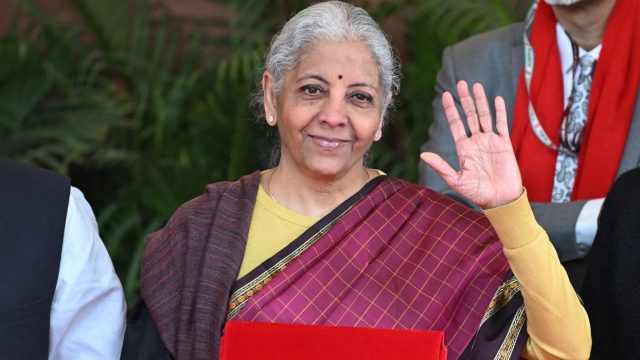
Key Takeaways
- Nirmala Sitharaman engaged with global finance leaders to discuss infrastructure.
- India seeks enhanced cooperation on critical minerals and financing.
- Meetings included major figures from the IMF and World Bank.
- Focus on expanding political risk insurance for investments in India.
- India aims to strengthen multilateral ties through these discussions.
The Importance of G20 for India’s Economic Strategy
The recent G20 Finance Ministers and Central Bank Governors (FMCBG) meeting underscored India's aspirations in the global economic landscape. With India's finance minister, Nirmala Sitharaman, leading discussions, the country is looking to solidify its position as a burgeoning economic power. The dialogue centered on crucial topics such as infrastructure financing and the role of international financial institutions in supporting these initiatives.
Infrastructure as a Catalyst for Growth
Infrastructure development is pivotal for India as it strives to enhance its economic framework. During her discussions, Sitharaman underscored the necessity for robust financial mechanisms to support infrastructure projects. In particular, she highlighted the potential of the World Bank’s political risk insurance, which could provide a safety net for investors, thereby attracting foreign direct investments into critical sectors.
Key Discussions at G20
Among the notable discussions were:
- Coordination with World Bank President Ajay Banga on infrastructure projects.
- Strategies involving IMF Managing Director Kristalina Georgieva for economic stability.
- Exploring financing options for critical minerals essential to technology and energy sectors.
- Strengthening economic ties with Europe and South Korea for enhanced investment opportunities.
Strengthening Multilateral Cooperation
India's push for multilateral cooperation is vital, especially in a post-pandemic world where economic recovery is paramount. The G20 provides a platform for India to advocate for fairer financial mechanisms that support developing nations in their growth trajectories. Sitharaman's meetings with influential financial figures reflect India's commitment to being a proactive player in global economic discussions.
Impact on Southeast Asia
For Southeast Asia, particularly the Indonesian market, India's focus on infrastructure can be a game changer. As ASEAN nations look to bolster their economies, India's approach to securing funding for large-scale infrastructure projects can serve as a model. The collaboration could set the stage for increased trade and investment flows within the region.
Conclusion: A Vision for the Future
India's active participation in the G20 dialogues signifies its determination to not only enhance its own economic growth but also contribute to global financial stability. With an emphasis on infrastructure and multilateral cooperation, these discussions are crucial for shaping India's future economic landscape. Stakeholders in the South Asian region, including those in Indonesia, should pay close attention, as the outcomes of these talks could lead to significant economic collaborations and advancements.