
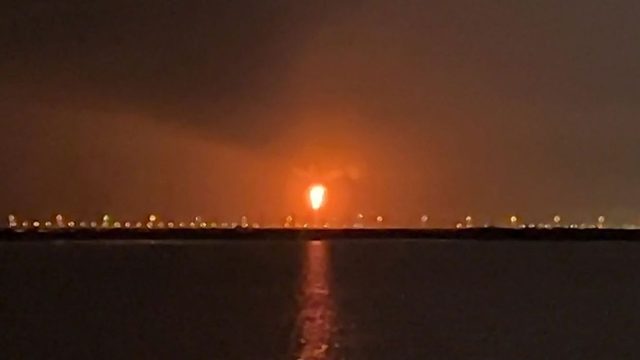
The recent industrial explosion in Qatar’s Ras Laffan Industrial City has resulted in a heartbreaking loss for the families of eight Indian workers whose bodies have been repatriated to India. This tragic incident, which claimed the lives of a total of 12 Indian nationals, highlights the dangers faced by expatriate workers in high-risk industries abroad. As the community mourns, discussions about worker safety in international projects are gaining urgency.
The Incident: What Happened in Ras Laffan?
On June 26, the Indian Embassy in Doha confirmed the repatriation of the remains of eight workers following a catastrophic incident at one of the key industrial zones in Qatar. Known for its expansive oil and gas operations, Ras Laffan was the site of a severe explosion, which not only resulted in fatalities but also injured over 66 individuals from various countries.
Understanding the Context
- Ras Laffan is pivotal for Qatar's energy sector.
- The area is home to numerous foreign workers, including a significant Indian workforce.
- This incident raises concerns over workplace safety regulations and emergency preparedness in such critical regions.
The Impact on Families and Communities
The repatriation of these bodies brings a sense of closure to grieving families back in India, but it also opens up broader conversations about the safety and rights of migrant workers. Families of the victims are now left to grapple with their loss and the implications of the dangerous working conditions that led to this tragedy.
Support from the Indian Embassy
The Indian Embassy in Qatar has been active in providing assistance to the families affected by this incident. Officials have visited hospitalized workers and have expressed gratitude towards Qatari authorities and partner organizations for their collaborative efforts during this difficult time.
Furthermore, the embassy is expected to facilitate additional support measures, which may include:
- Financial assistance for the families of the deceased
- Legal support and guidance regarding compensation
- Ongoing monitoring of health and safety protocols at industrial sites
Calls for Reform: The Future of Worker Safety
This tragic incident serves as a stark reminder of the pressing need for improved safety standards in the industrial sector, especially in regions heavily reliant on foreign labor. Advocacy groups and labor rights organizations are calling for reforms that prioritize the well-being and safety of workers.
Potential Reforms Include:
- Stricter enforcement of safety regulations at industrial sites.
- Regular safety training and drills for all workers.
- Enhanced emergency response protocols to mitigate risks.
- Increased transparency and accountability from employers regarding workplace safety.
Conclusion: A Community in Mourning
The repatriation of the bodies of these eight Indian workers is not just a tragic event but a clarion call for change in how worker safety is managed in high-risk environments. As the Indian community and the nation mourns the loss of these individuals, it is crucial to advocate for policies that ensure such tragedies do not occur in the future. Improved safety measures, better oversight, and a commitment to the welfare of all workers must become a priority for countries that rely heavily on foreign labor.



