
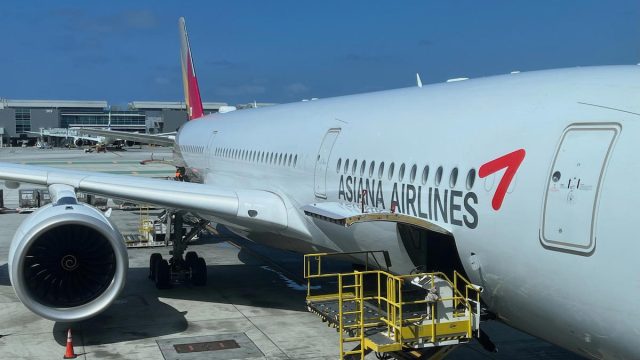
As the landscape of air travel continues to evolve, strategic shifts such as the recent acquisition of Asiana Airlines by Korean Air have significant implications for travelers. Starting in late 2026, the Asiana brand will completely vanish as it integrates into Korean Air, prompting critical changes in various operations, including the handling of award tickets. Understanding these updates is essential for frequent flyers and those planning trips in the near future.
The Shift to SkyTeam
The impending brand transition from Asiana to Korean Air signals a significant organizational overhaul in the airline industry. As Asiana exits the Star Alliance, a network that has provided mutual benefits to various airlines and their passengers, the entire operation is set to align with SkyTeam. This transition not only affects the branding but also touches upon frequent flyer programs and the use of award tickets.
What Travelers Need to Know
- Award Tickets Honoring: Asiana will not honor existing award tickets issued under the Star Alliance framework after the acquisition takes full effect. This is crucial for travelers who have booked their journeys expecting to use their accumulated miles.
- Program Changes: The transition means travelers will need to adjust their loyalty to the newly formed Korean Air program and familiarize themselves with SkyTeam’s offerings.
- Timeline for Change: Passengers have until late 2026 to utilize their Asiana award tickets before the transition is finalized.
Why This Matters Now
With the aviation industry still recovering from the impacts of the pandemic and looking towards future growth, the consolidation of airlines is becoming more prevalent. This move raises questions not only about the future of frequent flyer programs but also about how airlines can maintain customer loyalty amidst such changes. Travelers must stay informed about their options to maximize their benefits.
Implications for Frequent Flyers
The shift from Star Alliance to SkyTeam could have varying impacts on frequent flyers depending on how they have utilized Asiana's services. Here are some critical aspects to consider:
- Loyalty Programs: Frequent flyers must keep an eye on their points and how they can transfer or convert them into the new program.
- Travel Routes: Evaluate new routing options that may be available through the SkyTeam network as compared to the old Star Alliance routes.
- Travel Benefits: Understanding which loyalty program offers better benefits for your typical travel patterns is essential for optimizing your air travel experience.
Reactions from the Travel Community
Asiana Airlines' recent announcement has evoked a range of reactions among travelers and industry experts. Many are concerned about the potential loss of benefits associated with their existing Star Alliance memberships. For those who plan on traveling internationally, understanding the ramifications of this transition will be essential for planning future trips.
Customer Sentiment
Feedback from travelers highlights a mix of apprehension and cautious optimism. Some loyal customers have expressed disappointment over the inability to redeem their points, while others view the move as an opportunity to explore new destinations through the SkyTeam network. Below are some common sentiments:
- Disappointment: Many frequent flyers are unhappy about the unilateral changes to their reward tickets.
- Adaptability: A number of travelers are ready to adapt and explore the benefits of the new loyalty program.
Conclusion: Staying Ahead in Travel
The transition from Asiana Airlines to Korean Air marks a pivotal moment in the airline industry, with significant implications for travelers who rely on award tickets and loyalty programs. As we approach the full implementation of these changes in late 2026, it’s essential for customers to stay proactive and informed. Understanding the details of the shift will enable travelers to make better decisions and maximize their travel experiences. Keep an eye on updates from both Asiana and Korean Air as this transition unfolds.