
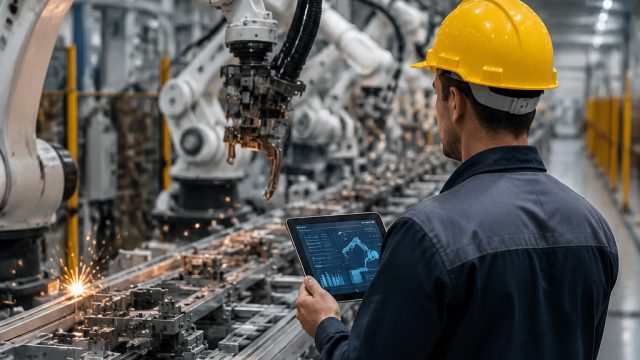
As advanced technologies like artificial intelligence (AI) continue to make inroads into various industries, the implications for factory workers are becoming increasingly apparent. Recent events have highlighted the tension between innovation and employment, sparking critical conversations about the future of work.
Understanding AI Integration in Factories
Factories around the globe are rapidly adopting AI to enhance efficiency and productivity. Workers are often finding themselves at the center of this technological evolution. In India, for instance, some workers have been asked to wear cameras that record their activities, ostensibly to help improve workflow. However, many workers express concerns about privacy and job security. As AI systems become more adept at performing tasks traditionally carried out by humans, questions arise about who will ultimately benefit from these advancements.
The Human Element in Automation
While AI can streamline operations, the human element remains a crucial component of factory work. Here’s why:
- Skill Diversification: Workers often possess unique skills that are not easily replicated by machines. This includes problem-solving and creativity.
- Adaptability: Humans are often more adaptable than AI, especially when it comes to responding to unforeseen challenges.
- Customer Interaction: Many roles require a human touch, particularly in areas like quality control and customer service.
Workers' Concerns About AI Adoption
As companies increasingly integrate AI, workers are rightfully anxious about their roles in this new landscape. Initially, some factory workers reacted with humor when asked to wear cameras, but that sentiment quickly shifted to worry. The lack of transparency from management about the purpose of these cameras raised red flags. Workers fear that they may be replaced by AI systems, leading to the loss of livelihoods.
Job Security in the Age of AI
Job security is a significant concern for many employees. The question remains: how can workers remain relevant in an evolving job market? Here are a few strategies:
- Continuous Learning: Workers can engage in ongoing education and skill development to adapt to technological changes.
- Embrace New Roles: As AI takes over repetitive tasks, new roles may emerge that require human oversight and management.
- Advocate for Fair Policies: Workers should engage with unions and advocacy groups to ensure fair labor practices as AI technologies develop.
AI's Broader Implications for the Economy
The integration of AI in factories does not merely affect individual workers; it has wider economic implications as well. Industries must balance the benefits of automation with the potential fallout of widespread job displacement. Here’s what we can expect:
- Market Disruption: Companies may experience shifts in labor needs and productivity levels, leading to market instability.
- Income Inequality: If automation leads to job losses, income disparity may widen, affecting overall economic health.
- Shifts in Consumer Behavior: As more jobs become automated, consumer spending patterns may change, impacting businesses.
Conclusion: Navigating the Future of Work
The rise of AI in factories presents both opportunities and challenges. While the technology promises increased efficiency, it also raises pressing questions about employment and job security. As workers navigate these changes, the dialogue around the ethical implications of AI adoption must continue. The future of work is not solely about technology; it is about how we can integrate innovation while preserving the workforce.
As we look ahead, it is crucial for all stakeholders—governments, businesses, and workers—to collaborate in fostering an environment where technology serves to enhance human roles rather than replace them. The balance between automation and employment will be a defining factor in shaping our economic landscape in the years to come.