
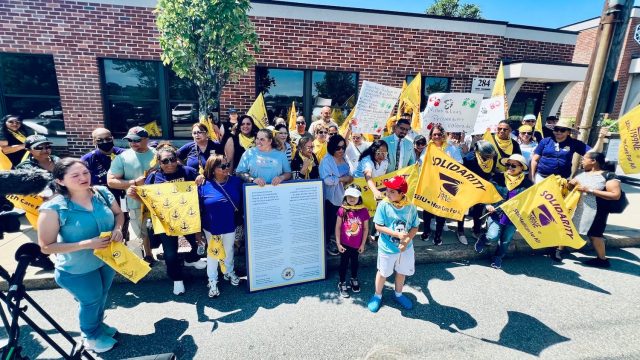
Child Care Providers Demand Fair Contracts Amid Election Campaigns
As the political landscape heats up ahead of the upcoming elections, home child care providers have taken to the streets to voice their demands for equitable treatment and fair contracts. Their recent protest outside Governor Dan McKee's re-election campaign office underscores the urgent need for attention to child care workers' rights and the implications for children’s safety and wellbeing.
The Current State of Child Care in Our Communities
Child care providers play a pivotal role in supporting working families and ensuring that children receive quality care during their formative years. However, many providers feel undervalued and undercompensated. As Grisel Gomez, a spokesperson for the protesting providers, stated: "All we ask is for Governor McKee and the Department of Human Services to support us. Value our work and give us what we need so we can keep our kids safe. That means settling a fair contract today." These sentiments reflect a broader struggle within the child care sector, where wages and working conditions have not kept pace with the rising costs of living.
Why This Matters Now
The timing of these protests coincides with a critical period in which politicians are seeking votes and public support. The outcome of the election could significantly influence funding and regulations for child care services. Many providers are advocating for increased government support to help them sustain their operations and ensure quality care for children.
Key Demands of the Protestors
During the protest, several key demands were highlighted:
- Fair Compensation: Providers are calling for wages that reflect the importance of their work and the increasing cost of living.
- Better Benefits: The demand for healthcare, paid leave, and retirement plans is crucial for attracting and retaining quality staff.
- Increased Funding: Advocates urge the state to allocate more resources to child care programs, ensuring they can provide safe and nurturing environments for children.
The Impact on Children and Families
The stakes are high not only for the providers but also for the families who rely on these services. When child care providers are well-supported, families can have peace of mind knowing their children are in safe hands. Conversely, insufficient support can lead to staff shortages, increased fees, and decreased accessibility to quality child care — all of which disproportionately affect low-income families.
Political Responses and Responsibilities
As the election approaches, it is essential for candidates to address these critical issues. Support for child care providers should be a priority in their platforms, as these workers are foundational to a thriving economy. The responses from political leaders will signal their commitment to family support and child welfare, which could influence their public support during the elections.
What Can Be Done?
Advocacy efforts are crucial in ensuring that the voices of child care providers are heard. Here are ways communities can support this cause:
- Rallying Support: Attend town hall meetings and engage with local representatives to discuss the importance of child care funding.
- Spreading Awareness: Use social media platforms to amplify the message and share personal stories about the importance of quality child care.
- Engaging in Advocacy: Join local organizations or initiatives focused on improving child care services and advocating for fair contracts.
Conclusion: A Call for Action
The demonstration by home child care providers is not just about fair contracts; it is a clarion call for the support and acknowledgment they rightfully deserve. As we move closer to the elections, it is crucial for voters, especially parents, to consider the candidates' stances on child care issues. Supporting child care providers is an investment in our children's future and, by extension, the future of our communities.