
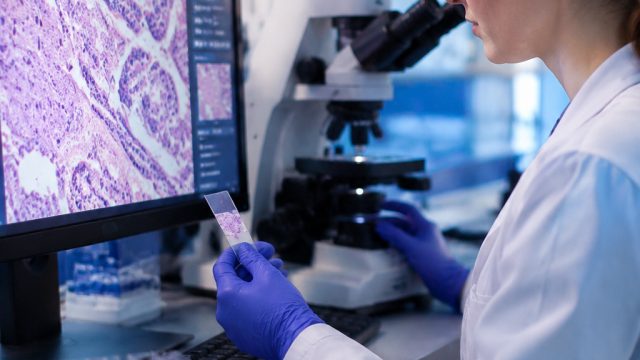
In the rapidly evolving field of medical diagnostics, artificial intelligence (AI) is poised to redefine how pathologists approach biomarker assessment. This transformation is not just a technological upgrade; it represents a significant shift in the accuracy and efficiency of disease diagnostics, making it a critical development in healthcare that deserves attention now.
The Shift Towards AI-Driven Solutions
As healthcare continues to embrace digital innovation, the integration of AI into pathology is becoming increasingly prevalent. AI-driven systems are designed to analyze complex datasets, enabling pathologists to make more informed decisions based on robust data analysis.
Enhanced Diagnostic Accuracy
One of the standout benefits of AI in biomarker assessment is its ability to improve diagnostic accuracy. Traditional methods, while effective, can be hampered by human error and subjective interpretation. AI algorithms, however, process vast amounts of data with precision, providing pathologists with critical insights that enhance their evaluation capabilities.
- Reduction in diagnostic errors
- Increased speed in identifying diseases
- Support for complex case assessments
Streamlining Workflow in Pathology Labs
Pathologists often face overwhelming workloads, with numerous slides to analyze daily. AI technologies can help streamline this workflow by automating routine tasks and prioritizing cases based on urgency. This allows pathologists to focus on more complex cases where their expertise is most needed.
AI-Powered Prioritization
By utilizing AI algorithms, pathology labs can implement systems that prioritize high-risk cases or those requiring immediate attention. This not only enhances patient care but also optimizes laboratory operations, ensuring timely and accurate diagnoses.
Cost-Effectiveness and Accessibility
In addition to improving accuracy and efficiency, AI-driven biomarker assessments can lead to significant cost savings for healthcare providers. By reducing the need for repeat tests and minimizing misdiagnoses, AI can ultimately lower healthcare costs.
Expanding Access to Pathology Services
Moreover, AI technologies can facilitate access to pathology services in underserved regions. With remote diagnostics becoming more viable through AI, patients in remote or rural areas can receive expert evaluations without the need for extensive travel.
The Future of Pathology
The integration of AI in biomarker assessment signifies a foundational shift in pathology practices. As these technologies continue to evolve, they will likely play an even more prominent role in healthcare, emphasizing the need for professionals to adapt and embrace these innovations.
Key Considerations for Pathologists
- Stay informed about advancements in AI technology
- Engage in continuous education and training programs
- Collaborate with tech companies to enhance diagnostic tools
Conclusion
The ongoing advancements in AI-driven biomarker assessment present an exciting opportunity for the field of pathology. As diagnostic accuracy, efficiency, and accessibility improve, the potential benefits for patient care and healthcare systems are immense. It is crucial for professionals in the field to embrace these changes and prepare for a future where AI plays an integral role in diagnostics.