
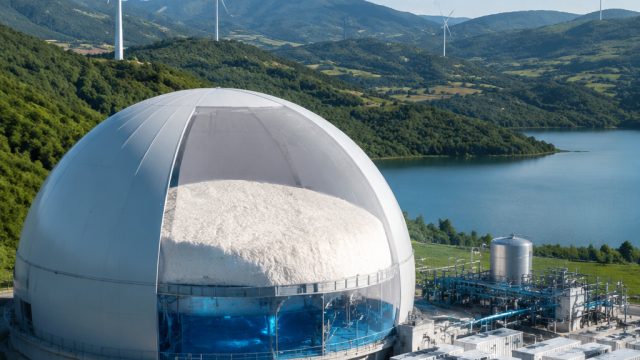
In a groundbreaking move to enhance renewable energy utilization, Google has teamed up with Energy Dome to develop a state-of-the-art long-duration energy storage project. This collaboration marks a significant step in the quest for sustainable energy solutions, especially as the global demand for clean energy continues to surge.
Why This Initiative Matters Now
As the transition towards cleaner energy sources accelerates, the need for effective energy storage solutions has never been more vital. Traditional battery technologies often fall short in meeting the long-duration needs of renewable sources like solar and wind. Google’s collaboration with Energy Dome aims to address these challenges head-on.
The Growing Importance of Energy Storage
- Supporting Renewable Energy: Energy storage systems are crucial for storing excess energy generated from renewable sources, allowing for consistent power supply even when production dips.
- Stabilizing Energy Grids: These systems play a pivotal role in stabilizing energy grids, which is essential as more intermittent energy sources are integrated.
- Reducing Carbon Footprint: Efficient energy storage solutions contribute to reducing overall carbon emissions, aligning with global climate goals.
Project Details: Harnessing Innovative Technologies
The project will utilize Energy Dome's distinctive technology, which employs carbon dioxide in a closed-loop system to store energy efficiently. This innovative approach promises to deliver substantial advantages over conventional battery technologies.
Key Features of the Energy Dome Technology
- Long-Duration Storage: The ability to store energy for extended periods makes it particularly suitable for balancing supply and demand.
- Cost-Effectiveness: Utilizing widely available materials like carbon dioxide can potentially lower costs compared to traditional battery systems.
- Environmental Benefits: The closed-loop system minimizes environmental impact, making it a greener alternative.
Implications for the Future of Energy
This partnership not only underscores Google's commitment to sustainability but also sets a precedent for future technological collaborations in the energy sector. As both companies work together on this project, the implications could stretch far beyond their immediate goals.
Broader Impact on the Energy Sector
- Encouraging Innovation: This project could inspire further innovations in energy storage and renewable energy technologies.
- Paving the Way for Policies: Successful implementation could influence energy policies and investment strategies worldwide.
- Creating Job Opportunities: As the project develops, it will likely generate numerous job opportunities in the tech and energy sectors.
Looking Ahead: The Road to Implementation
While the project is still in its early stages, the collaboration between Google and Energy Dome is poised to lead to significant advancements in energy storage technology. Stakeholders in the energy sector are watching closely as the outcomes may reshape the future landscape of energy consumption.
Potential Challenges Ahead
- Technical Hurdles: Like any innovative technology, there may be unforeseen technical challenges that need to be addressed.
- Market Competition: The energy storage market is competitive, with numerous players vying for a position.
- Regulatory Frameworks: Navigating the regulatory landscape could pose challenges for deployment at larger scales.
Conclusion: A Step Towards a Sustainable Future
The partnership between Google and Energy Dome represents a critical milestone in long-duration energy storage. As the world shifts towards more sustainable energy solutions, initiatives like this not only provide immediate benefits but also pave the way for a greener and more resilient energy future. The success of this project will be essential in promoting further innovations and investments in the renewable energy sector.