
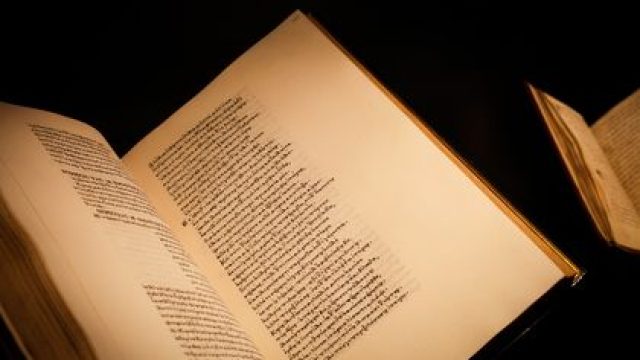
The intersection of technology and storytelling has reached a remarkable milestone with the release of an audiobook adaptation of Homer's 'The Odyssey.' This version stands out due to its narration by a voice clone of acclaimed actor Michael Caine. This innovative approach not only revives a timeless classic but also sparks conversations about the role of artificial intelligence in creative fields.
The Fusion of Tradition and Technology
As we delve into the digital age, the methods of storytelling have evolved significantly. The launch of AI-generated audiobooks like 'The Odyssey' represents a fresh take on ancient literature, making it more accessible to modern audiences. Utilizing Caine's recognizable voice offers an engaging experience, drawing listeners into the epic tale with familiarity and warmth.
Why This Matters Now
The rising popularity of AI in creative industries prompts a deeper look into its implications. With the audiobook industry booming, the ability to deliver stories in diverse voices opens new avenues for engagement while simultaneously raising ethical questions about the use of voice cloning technology.
A New Era of Storytelling
The advent of AI-generated content is reshaping how classic stories are consumed. This is particularly crucial as readers seek immersive experiences that resonate with their lifestyles. In a world increasingly reliant on on-demand content, audiobooks like this adaptation of 'The Odyssey' cater to the busy schedules of modern listeners.
The Appeal of Voice Cloning
Voice cloning technology, while innovative, is not without controversy. Caine's voice, now accessible through AI, brings a layer of authenticity and nostalgia to the storytelling process. However, it raises questions regarding copyright, consent, and the potential for misuse in creative endeavors. Here are some key points to consider:
- Authenticity vs. Artificiality: The debate over whether a cloned voice can truly capture the essence of a performance.
- Consent Issues: The discussions surrounding the ethical implications of using someone's voice without explicit permission.
- Access and Diversity: The potential for AI to democratize access to literature by providing audiobooks in multiple voices.
Impact on Voice Acting and the Industry
As technology advances, traditional voice actors face new challenges and opportunities. The use of AI voice cloning may help actors reach broader audiences but could also threaten their livelihoods. Many in the industry are advocating for stricter regulations and consent processes to ensure that human creativity remains a focal point in storytelling.
A Call for Ethical Guidelines
In light of these developments, there is a growing need for a framework that addresses the ethical use of AI in creative projects. The introduction of a “human consent” registry tool has been proposed by various actors and industry professionals to safeguard the rights of creators. This tool aims to establish clear guidelines on how voice cloning can be utilized while respecting human artistry.
Conclusion: A Bright Future for Storytelling
The AI-generated audiobook of 'The Odyssey' marks a significant moment in the evolution of storytelling. While it provides an innovative way to experience a classic, it also encourages vital discussions on the ethical implications of AI in the arts. As we navigate this new frontier, balancing technological advancement with respect for human creativity will be essential. The future may well see more adaptations of beloved stories, narrated by AI, enriching our literary landscape and making timeless tales accessible to all.