
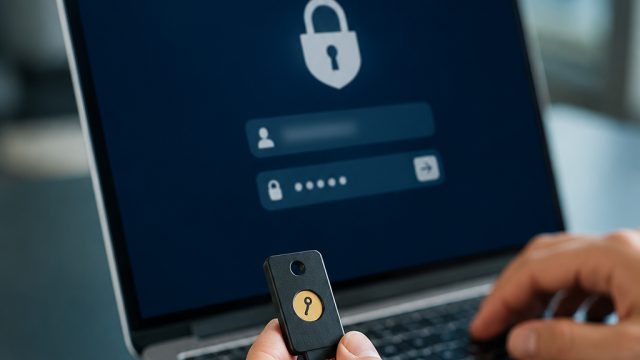
As digital threats continue to evolve, the importance of robust online security has never been more critical. A recent report has uncovered a startling statistic: nearly 24% of the most popular websites globally still lack support for passkeys, a modern and secure method of authentication. In a world where cyber attacks are on the rise, this delay in adopting secure login methods raises significant concerns for users and businesses alike.
What Are Passkeys and Why Do They Matter?
Passkeys are a revolutionary form of authentication designed to replace traditional passwords. Unlike passwords, which can be easily compromised, passkeys use cryptographic technology that enhances security and user experience. When implemented correctly, they allow users to log in without having to remember complex passwords or worry about their data being stolen.
Benefits of Passkeys
- Enhanced Security: Passkeys are incredibly difficult to hack, as they rely on unique cryptographic keys rather than easily guessable passwords.
- User Convenience: With passkeys, users can log in seamlessly across devices without needing to recall multiple passwords.
- Reduced Phishing Risks: Since passkeys eliminate the reliance on password entry, the risk of phishing attacks is significantly minimized.
The Current State of Passkey Adoption
Despite the evident advantages of passkeys, the lag in their widespread adoption is alarming. Many organizations, including leading tech firms and online services, have yet to incorporate this advanced technology into their login systems. This hesitation arises from various factors, including lack of awareness, technical challenges, and the inertia of existing systems.
Statistics Highlighting the Gap
According to the recent analysis, a significant portion of major websites—24% to be exact—still do not offer passkey support. This gap not only jeopardizes user safety but also highlights the urgency for these companies to adapt to changing security landscapes.
The Implications for Users and Businesses
The consequences of inadequate security measures are not just theoretical; they manifest in real-world scenarios that affect both users and businesses. For users, this means increased vulnerability to data breaches, identity theft, and online fraud. For businesses, failing to adopt secure authentication methods can lead to loss of consumer trust and potential legal ramifications.
The Growing Call for Change
As cyber threats continue to evolve, organizations are being urged to prioritize security measures like passkeys. The tech industry must collectively address this issue, as the failure to implement passkey support could lead to significant backlash from consumers who expect their data to be secure.
What Can Be Done to Accelerate Adoption?
To encourage swift implementation of passkey technology, several steps can be taken by both companies and users.
Recommendations for Companies
- Invest in Education: Organizations should educate their staff and users about the benefits of passkeys and other secure authentication methods.
- Implement Pilot Programs: Before a full rollout, companies can initiate pilot programs to test and refine the integration of passkeys.
- Collaborate with Security Experts: Partnering with cybersecurity professionals can aid in the smooth transition to passkey systems.
How Users Can Protect Themselves
- Advocate for Change: Users should voice their concerns to companies regarding the lack of secure login options.
- Utilize Available Resources: If a website does offer passkey support, users should take advantage of this technology for a safer online experience.
- Stay Informed: Keep up with the latest in cybersecurity trends to understand how best to protect personal information.
Conclusion
The digital landscape is evolving rapidly, and with it comes the necessity for improved security protocols. As highlighted by the alarming statistic that 24% of popular websites do not yet support passkeys, the urgency for widespread adoption is clear. By embracing passkeys, companies can significantly enhance online security, instill consumer confidence, and stay ahead of the ever-evolving threats in the digital world. The time for action is now—both for corporations and users alike to make the shift towards a more secure online future.